



The Cost of Living in Hawaii
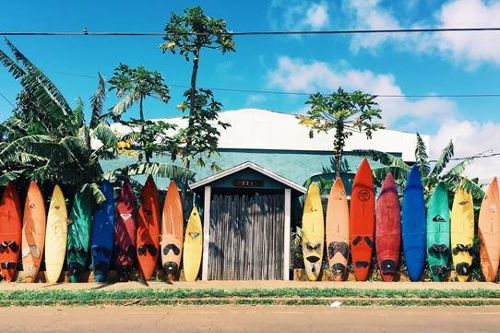
People around the world dream of waking up to warm trade winds, turquoise water, and lush green mountains. Hawaii really can feel like paradise, but the cost of living in Hawaii surprises many newcomers. The islands consistently rank among the most expensive places to live in the United States, and even long-time residents feel the pressure of rising prices.
Understanding the full financial picture before you move is essential. Housing, food, utilities, healthcare, and transportation are all influenced by Hawaii’s isolation, limited land, and strong demand from both residents and visitors. This guide breaks down what everyday life actually costs on each island and how your income needs to match up with reality in 2026.
Whether you are planning a relocation, returning home after time on the mainland, or simply researching for the future, this detailed breakdown of Hawaii housing and rent prices by island, grocery and restaurant costs, utilities, transportation, and more will help you decide if the islands fit your budget and lifestyle.
Housing Costs in Hawaii
Housing is usually the single biggest expense and the main reason the overall cost of living in Hawaii is so high. There is limited land, strong demand, and a steady stream of investors and second-home buyers. All of this keeps both home prices and rent elevated compared with most mainland cities.
Median Home Prices by Island
While exact numbers change month to month, the pattern of prices by island is consistent:
- Oahu (Honolulu County) – Typically the highest-volume market and often the highest prices overall. Urban Honolulu condos, single-family homes in popular neighborhoods, and limited land all combine to push median prices well above the national average.
- Maui County (Maui, Molokai, Lanai) – Resort-driven demand makes Maui’s housing market very expensive. Areas like West Maui, South Maui, and upcountry are heavily influenced by tourism and second-home ownership, often resulting in prices that rival or exceed Oahu’s.
- Kauaʻi – With a smaller population and strong environmental protections that limit large-scale development, Kauaʻi’s housing stock is tight. That scarcity, plus significant tourism, keeps prices high relative to incomes.
- Hawaiʻi Island (Big Island) – The most geographically diverse and generally the most affordable, but prices vary dramatically. Resort areas like Waikoloa and Kailua-Kona are far more expensive than rural Puna or parts of Hilo.
In practical terms, buying even a modest single-family home often means spending several times what an equivalent property might cost in a Midwestern or Southern mainland city. Many buyers accept longer commutes or older homes in trade-off for slightly lower entry prices.
Average Rent for Apartments and Houses
For many residents, renting is the only feasible option. Typical rent ranges look something like this across the islands, with wide variation by neighborhood, age of the building, and amenities:
- Studios and one-bedroom apartments – Often the entry point for singles and couples, these can be expensive relative to their size. Urban Honolulu and central Maui tend to command the highest rates, while some parts of the Big Island and Kauaʻi can be moderately cheaper.
- Two-bedroom units – Popular with small families or roommates. On Oahu especially, two-bedroom condos or ohana units (separate units on a single property) are in constant demand and prices reflect that.
- Single-family homes for rent – Larger homes are scarce and rent quickly. Many families share houses with extended relatives or roommates. On resort-heavy islands, a portion of the housing stock is reserved for vacation rentals rather than long-term leases, which can further limit supply.
It is also common to see house-sharing and multigenerational living to offset Hawaii housing and rent prices by island. If you are moving from a market where you have always lived alone, prepare for the possibility of roommates or more compact living spaces.
Urban Honolulu vs. Rural Areas
The contrast between Honolulu and more rural communities on the neighbor islands is significant:
- Urban Honolulu – Higher rents and home prices, but greater access to jobs, public transit, shopping, healthcare, and entertainment. You might be able to live car-free or with fewer vehicles per household.
- Rural and neighbor-island areas – Housing can be somewhat less expensive, particularly away from resort zones. However, you may spend more on transportation, have fewer job options, and need to plan around limited services and shopping choices.
In some rural communities, lower purchase prices are offset by older homes, higher maintenance costs due to weather and volcanic conditions, and the need for things like catchment water or septic systems instead of public utilities.
Buying vs. Renting Considerations
Deciding whether to buy or rent in Hawaii involves several unique factors:
- Down payment challenges – With such high prices, even a standard 20 percent down payment can be a huge amount of cash.
- HOA and maintenance fees – Many condos have substantial monthly maintenance fees, which must be added to your mortgage payment when comparing options.
- Risk of natural hazards – Flood zones, lava zones on the Big Island, hurricane risk, and coastal erosion all impact insurance availability and cost.
- Long-term commitment – If you are not sure you will stay at least five to seven years, renting can offer valuable flexibility in such a volatile and high-priced market.
Many newcomers choose to rent for at least a year to learn neighborhoods and island culture before committing to a purchase.
Food and Grocery Costs
One of the most consistent shocks newcomers feel is at the supermarket checkout. Hawaii food groceries and restaurant costs are significantly higher than in most parts of the mainland, often by 30–60 percent or more for everyday items.
Why Groceries Cost So Much
The simple reason is distance. Hawaii is more than 2,000 miles from the U.S. mainland. Most food and household goods are imported by ship or air, and every step along the way adds cost. Factors include:
- Shipping and fuel costs – Containers must be transported across the Pacific, offloaded, and distributed between islands.
- Storage and spoilage – Perishable goods need refrigeration and have shorter shelf lives after a long journey.
- Limited competition – A small number of major grocery chains dominate the retail landscape, and smaller markets may charge more due to lower volume.
Imported fruits, specialty items, and brand-name mainland snacks can be especially expensive. Local products can sometimes be cheaper but not always, depending on supply and demand.
Eating Out and Restaurant Prices
Restaurant meals are also pricey, reflecting high rents, wages, and food costs. Casual plate lunch spots may still offer relatively affordable meals, but full-service restaurants and resort dining can quickly add up. Expect to pay more than you would in most non-coastal mainland cities for comparable quality and portion sizes.
For many residents, eating out becomes an occasional treat rather than a daily habit. Budgeting for dining, especially in visitor-heavy areas like Waikīkī, Lahaina, or Poipu, is crucial if you enjoy restaurant culture.
Tips for Saving on Food
There are several proven ways to reduce grocery and dining expenses in Hawaii:
- Shop at farmers markets – Local produce, fish, and baked goods can be fresher and more affordable than imported alternatives. Every island has regular markets.
- Buy local when possible – Items like locally grown greens, bananas, papayas, eggs, and certain meats may be cheaper and support the local economy.
- Use warehouse clubs – Buying in bulk helps offset higher per-unit costs, as long as you have storage and avoid waste.
- Cook at home – Preparing meals at home and learning to use local ingredients can dramatically reduce monthly spending.
Over time, many residents adjust their diet to what grows well locally rather than trying to replicate mainland grocery habits item for item.
Transportation Costs
Hawaii utilities energy and transportation expenses play a major role in monthly budgets. While distances on each island are relatively short, car dependence, high fuel prices, and inter-island travel all add up.
Gas Prices
Hawaii consistently ranks among the states with the highest gasoline prices. The same forces that raise grocery costs also affect fuel: transportation, limited supply, and a smaller market. Residents of Oahu may be able to drive less due to shorter commutes and better transit coverage, but on neighbor islands many people rely on their cars daily.
Car Ownership: Ship or Buy?
Newcomers often face a decision: ship a car from the mainland or buy locally.
- Shipping – Shipping a vehicle by sea has a one-time cost that can be significant but may still be cheaper than buying a new or used car on island, especially given Hawaii’s robust used-car prices.
- Buying on island – Local used-car prices reflect the isolated market and constant demand. You also need to budget for registration, safety inspections, and insurance.
Because public transportation options are limited on most islands, many households consider at least one car essential, and some need two or more for work and family commitments.
Public Transit and Alternative Options
Public transit availability varies by island:
- Oahu – TheBus system covers much of the island, and the new Honolulu rail line is gradually reshaping some commutes. Car-free living is possible in certain urban corridors.
- Neighbor islands – Transit services exist but are less frequent and cover fewer areas, making them challenging for daily work commutes.
Some residents use bicycles, scooters, or carpooling to cut costs, especially in dense communities or resort areas with heavy traffic and limited parking.
Inter-Island Travel
Inter-island travel is mostly by air, with regular flights linking Oahu, Maui, Kauaʻi, Molokai, Lanai, and the Big Island. Prices fluctuate with demand and season, and frequent travel between islands can become a large line item in your budget. A limited ferry service exists on certain routes but is not yet a comprehensive alternative to flying.
Utilities and Energy Costs
On top of housing and transportation, Hawaii utilities energy and transportation expenses include some of the highest electricity costs in the country. The islands have been working toward cleaner energy, but the grid is still heavily dependent on imported fuel.
Electricity Rates and Why They Are High
Electricity in Hawaii is expensive for several reasons:
- Imported fuel – Oil and other fuels for power plants must be shipped in.
- Isolated grid – Each island essentially runs its own grid, without the ability to share surplus power with neighboring states.
- Infrastructure costs – Maintaining and upgrading power infrastructure in a tropical, salt-air environment is costly.
Air conditioning, electric water heating, and older appliances can send monthly bills soaring. Many residents rely on ceiling fans, natural ventilation, and strategic use of A/C in only certain rooms or parts of the day.
Water, Internet, and Cable
Water and sewer charges vary by county but should be factored into housing decisions, especially in older homes or areas with private catchment systems. Internet and cable packages are generally more expensive than in large mainland markets due to limited provider competition and infrastructure costs. Reliable high-speed internet is essential for remote workers, so checking availability before choosing a neighborhood is wise.
Solar Energy as a Cost-Saving Option
Because of abundant sunshine and high electricity prices, rooftop solar has become a popular way to reduce utility bills. Many homes now have photovoltaic systems with or without battery storage. The upfront cost can be significant, but long-term savings are often substantial. For homeowners planning to stay in Hawaii long term, solar can be one of the most effective strategies to control future energy costs.
Healthcare Costs
Healthcare is a key part of the overall cost of living in Hawaii, especially for families and retirees. Hawaii has some unique features that affect access to care and insurance costs.
Hawaii’s Prepaid Healthcare Law
Hawaii requires most employers to provide health coverage to employees who work at least a minimum number of hours per week. This has contributed to relatively high rates of insured residents and can make healthcare more affordable for full-time workers. However, part-time, gig, or self-employed workers still need to secure individual coverage, which can be costly.
Insurance Premiums and Access to Care
Average health insurance premiums in Hawaii are influenced by plan type, age, and employer contributions. While overall health indicators for the state are strong, access to specialists can be limited on smaller islands. Residents may need to:
- Travel to Honolulu or another larger island for certain procedures or consultations.
- Plan far in advance for specialist appointments due to limited availability.
These travel and time costs are part of the real healthcare expense picture, even if premiums themselves compare reasonably well with some mainland markets.
Medical Tourism to the Mainland
For complex surgeries or specialized treatments not widely available in Hawaii, some residents travel to major mainland medical centers. When this happens, airfare, lodging, and time away from work must all be considered. For families managing chronic or serious illnesses, these occasional but large expenses can significantly affect the long-term cost of living in Hawaii.
Education Costs
Families weighing a move must consider education as part of the financial equation, from public schools to private education and childcare.
Public Schools
Hawaii has a single, statewide public school system. Quality can vary by district and even by individual school. Many local families use public schools, especially in neighborhoods with strong reputations and supportive communities. While there is no direct tuition, fundraising expectations, supplies, and extracurricular activities can still add modest costs.
Private Schools
Private education is common in Hawaii, especially on Oahu, where well-known schools attract both local families and students from abroad. Tuition can be substantial, comparable to elite mainland private schools. Families moving from areas with strong public school options may experience sticker shock when researching private school costs on the islands.
University and Childcare Costs
The University of Hawaii system offers relatively affordable tuition for in-state residents, which can be an advantage compared with mainland private universities. However, room, board, and local living expenses still reflect Hawaii’s overall high-price environment.
Childcare, including day care and preschool, is another major expense. Limited supply, high operating costs, and strong demand push prices higher than many mainland areas. Parents should research waitlists and pricing well before moving.
Taxes in Hawaii
Taxes are an important part of the overall average salary vs cost of living in Hawaii calculation. Hawaii’s tax structure is a mix of higher income taxes, unique sales-like taxes, and relatively low property taxes.
State Income Tax
Hawaii has a progressive state income tax system, with higher earners paying higher marginal rates. For high-income households, this can increase the total tax burden compared with no-tax states or those with flat, lower rates. It is important to factor state income tax into your budget if you anticipate a substantial salary or business income.
General Excise Tax (GET)
Instead of a traditional sales tax, Hawaii uses a General Excise Tax that applies to most business transactions, including services. While the displayed rate may seem low, the tax is applied broadly and often passed on to consumers. Visitors and residents may notice GET added to restaurant checks, service bills, and many retail purchases. Understanding how GET works helps explain why many goods and services feel more expensive than their base price suggests.
Property Taxes
One surprise for many mainlanders is that Hawaii’s property tax rates are relatively low compared with other high-cost states. The catch is that the assessed value of property is so high that the total dollar amount of property tax can still be significant. Owner-occupant exemptions and different classifications (such as for investment or hotel use) also affect how much owners pay.
When comparing Hawaii with places like California, New York, or Washington, it is important to look at the full picture: income tax, GET, property tax, and how each element affects a typical household at your income level.
Entertainment and Lifestyle Costs
One of the best things about the cost of living in Hawaii is that many of the most rewarding experiences are free or low cost. The ocean, mountains, and year-round mild weather provide constant access to outdoor recreation.
Free and Low-Cost Activities
Beach days, hiking, surfing, paddling, and community events form the backbone of everyday life for many residents. Once you have the basic gear—slippers (flip-flops), reef-safe sunscreen, a board or snorkel set—your ongoing recreation costs can be minimal. Families often spend weekends at the beach or local parks instead of costly attractions.
Tourist Attractions vs. Local Pricing
Well-known tourist attractions, luaus, and excursions are priced for visitors and may be expensive for everyday residents. However, many businesses offer kamaʻāina (local resident) discounts, especially on neighbor islands. Learning where and how to access local pricing can make a big difference in what you actually spend.
Dining, Nightlife, and Shopping
Dining out, bar hopping, and shopping for imported goods are all more costly than in typical mainland suburbs. Shipping costs affect online shopping too, as some retailers charge extra for Hawaii delivery or exclude the state from free-shipping promotions. Residents often:
- Wait for major sales or consolidate orders to reduce shipping.
- Buy certain items when visiting the mainland.
- Prioritize experiences over possessions to align with Hawaii’s lifestyle and economics.
Average Salary vs. Cost of Living in Hawaii
The core question for many potential movers is how the average salary vs cost of living in Hawaii balance works in real life. While median household income is relatively high on paper, it often does not stretch as far as a similar salary would on the mainland.
Median Household Income and Wages
Median household income in Hawaii reflects a mix of tourism, government, healthcare, construction, and service-sector jobs. Dual-income households are common. Even so, the gap between wages and essential expenses—rent or mortgage, food, utilities, transportation, and childcare—can be wide, especially for families without access to older family housing or shared resources.
Most In-Demand and Highest-Paying Jobs
Fields that tend to pay better include:
- Healthcare (physicians, nurses, specialists)
- Engineering and specialized construction trades
- Government and military-related roles
- Technology and remote-friendly corporate positions
- Management roles in tourism and hospitality
However, many essential community jobs—teachers, service workers, retail employees, and hospitality staff—earn more modest wages that can make it hard to get ahead without roommates or multigenerational support.
Remote Work as a Solution
One evolving strategy is to earn a mainland or global salary while living in Hawaii. Remote work, freelancing, or owning an online business can improve the average salary vs cost of living in Hawaii calculation, especially if your employer pays according to national or coastal city salary scales. Reliable high-speed internet, a dedicated workspace, and careful scheduling across time zones are necessary for this approach to succeed.
Tips for Affording Life in Hawaii
The cost of living in Hawaii is high, but many residents thrive financially by making strategic choices. If you are committed to island life, consider the following approaches.
Choose the Right Island and Neighborhood
Each island has its own price profile and lifestyle:
- Oahu – More jobs and services, higher rents, but potential to live car-light and leverage transit.
- Maui and Kauaʻi – Beautiful and quieter, but with limited job markets and resort-driven prices.
- Big Island – Generally more affordable housing, but greater distances, varied infrastructure, and fewer high-paying jobs.
Within each island, specific neighborhoods can be dramatically different in price and character. Spend time exploring before signing a long lease or committing to a purchase.
Embrace a Local Lifestyle
Living like a resident rather than a tourist is essential for managing costs:
- Shop at local markets and buy what is in season.
- Learn to cook with local staples rather than imported brands.
- Consider gardening or small-scale food growing where feasible.
- Use free beaches, parks, and trails instead of expensive resorts.
Aligning your expectations with local norms often leads to a richer, more affordable life than trying to recreate a mainland suburban lifestyle on the islands.
Connect with Community Resources
Hawaii’s strong sense of community can be a powerful financial asset. Families, neighbors, and local organizations often share resources, from childcare to carpooling to community gardens. Getting involved in local events, schools, and volunteer opportunities helps build the relationships that make island life both more affordable and more meaningful.
Frequently Asked Questions
Is it really that expensive to live in Hawaii?
Yes, for most people, everyday life in Hawaii costs significantly more than in typical mainland communities. High housing prices, food costs, utilities, and transportation all contribute. However, careful planning, strategic choices about island and neighborhood, and lifestyle adjustments can make it manageable for many households.
Which island is the cheapest to live on?
In general, the Big Island offers some of the lowest housing prices, particularly in rural areas, but it also has fewer high-paying jobs and longer travel distances. Oahu, Maui, and Kauaʻi tend to be more expensive, especially in resort or urban zones, though wages and services are often higher as well.
How much should I earn to live comfortably?
The answer depends on household size, housing choice, and debts. Many financial planners suggest earning significantly more than the national median income to comfortably manage the cost of living in Hawaii, especially if you plan to rent or buy without roommates. Running a detailed budget before moving using actual Hawaii prices rather than mainland assumptions is essential.
Can remote work really make Hawaii affordable?
Remote work can be a powerful tool. If you earn a salary tied to a high-cost mainland city but live in Hawaii, you may be able to offset housing and food costs more easily than if you earn local wages. Still, you must account for Hawaii taxes, higher utilities, and the logistics of time zone differences and reliable connectivity.
Conclusion
Hawaii’s natural beauty, cultural richness, and year-round warm climate make it one of the most attractive places on earth to call home. Yet the cost of living in Hawaii is undeniably high and requires clear-eyed planning. Housing, groceries, transportation, utilities, healthcare, and education all cost more than in many mainland regions, even as wages struggle to keep pace.
If you approach the move thoughtfully researching Hawaii housing and rent prices by island, understanding Hawaii food groceries and restaurant costs, anticipating Hawaii utilities energy and transportation expenses, and realistically evaluating the average salary vs cost of living in Hawaii for your situation you can make informed decisions. By choosing the right island and neighborhood, embracing a local lifestyle, and leveraging community connections, many residents find that the rewards of island life outweigh the financial challenges.
Before you take the leap, compare each island in detail, build a realistic budget, and, if possible, spend time living in Hawaii temporarily. With preparation and the right strategy, paradise can move from a postcard fantasy to a sustainable, everyday reality.