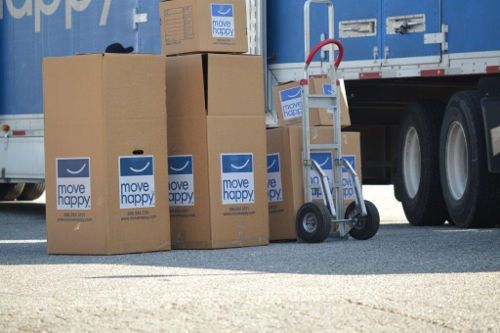



How to Prepare Your Team for an Office Move

Planning an office relocation is more than a logistical challenge; it is a people challenge. The physical act of moving desks, chairs, and servers is only part of the story. The real success of an office move depends on how well you prepare your team, manage uncertainty, and keep everyone focused and productive before, during, and after the transition. When you know how to prepare your team for an office move, you dramatically reduce stress, protect morale, and minimize disruption to daily operations.
In 2026, many organizations operate in hybrid or flexible arrangements, which makes coordination more complex. Some employees may be in the office regularly, others only a few days a week, and some primarily remote. A thoughtful office relocation communication plan is essential to ensure everyone understands what is happening, what is expected, and how their work will be supported. Without clear communication and planning, rumors grow, productivity drops, and even small issues can turn into major frustrations.
This guide walks you step-by-step through office relocation planning for teams. You will learn how to announce the move, assign roles, involve employees in decisions, and build an office move checklist for employees that keeps the relocation on track. You will also find practical tips for minimizing disruption during office moves and keeping your team engaged and reassured throughout the process.
Announce the Move Early
The foundation of any strong office relocation communication plan is early, honest disclosure. Employees feel anxious when they suspect something big is happening but have no official information. As soon as the decision is firm and key details are known, announce the move and share what you can.
At a minimum, your initial announcement should include:
- The reason for the move (growth, lease ending, better location, consolidation, cost savings, or strategic shift).
- The approximate timeline (target month or quarter, even if the exact date is not confirmed).
- The new office location (address, neighborhood, basic transport options).
- What is not yet decided and when more details will be shared.
Deliver this news in a live format first if possible, such as an all-hands meeting (in person, virtual, or hybrid). Follow up with a written summary so everyone has the details in one place. In your message, emphasize that leadership understands this is a significant change and that you are committed to supporting employees through every step.
Early notice gives people time to plan for new commuting patterns, childcare adjustments, or schedule changes. It also gives you time to collect feedback and concerns before finalizing key decisions, such as seating layouts or parking assignments. When people feel they have time and information, they are less likely to panic or disengage.
Assign a Move Coordinator and Core Team
Even a modest office relocation has many moving parts: leases, movers, IT, furniture, security, communications, and more. To avoid confusion and overlap, assign a dedicated move coordinator or a small project team. This person or group becomes the central hub for decisions, questions, and updates.
The move coordinator should:
- Own the master timeline and track key milestones.
- Maintain the office move checklist for employees and managers.
- Coordinate with facilities, HR, IT, finance, and department heads.
- Gather and respond to employee questions in a timely way.
- Escalate decisions to leadership when needed and report on progress.
Depending on the size of your company, you might create a cross-functional move committee. Include representatives from different departments and levels, not just executives. Involving people who understand day-to-day workflows helps you spot risks that might otherwise be missed, such as peak customer hours, critical project deadlines, or specialized equipment constraints.
Make sure everyone knows who the move coordinator is and how to reach them. Include their contact information in every major communication about the relocation. This simple step prevents confusion and keeps the message consistent across the organization.
Build a Clear Office Relocation Communication Plan
A reliable office relocation communication plan is the backbone of office relocation planning for teams. Employees need regular, predictable updates to feel confident and prepared. When communication is ad hoc or inconsistent, stress and speculation fill the gaps.
Your communication plan should define:
- Channels: Email, intranet page, messaging apps, project management tools, and town halls.
- Frequency: For example, a monthly update at first, then weekly as moving day approaches.
- Ownership: Who sends the updates (HR, move coordinator, leadership) and who approves sensitive content.
- Key milestones: Lease signing, construction or fit-out progress, furniture selection, IT testing, packing deadlines, and the official move date.
To help with minimizing disruption during office moves, focus your messages on both information and reassurance. Each update should answer three questions:
- What is happening now?
- What do employees need to do, if anything?
- What will happen next, and when will you share more?
Keep a single, always-up-to-date source of truth such as a shared document or intranet page that includes all timelines, checklists, maps, FAQs, and contacts. Link to this central resource from every announcement so employees know exactly where to find accurate information.
Involve the Team in Planning the New Space
One of the most effective ways to reduce resistance to change is to involve people in shaping it. When employees feel the new office is being built for them, not imposed on them, they are far more likely to embrace the move.
Invite your team to participate in planning by:
- Running surveys about preferred workspace types (open collaboration areas, quiet zones, phone booths, meeting rooms).
- Asking about storage needs, equipment requirements, and accessibility considerations.
- Gathering preferences on seating arrangements while balancing business needs.
- Inviting volunteers to join a “new office experience” working group to review floor plans or test furniture.
This collaborative approach strengthens buy-in and can surface important insights. For example, teams who work closely together might request to sit nearby; people with specific ergonomic or accessibility needs can flag them early; customer-facing teams can explain how the new environment should support calls or demos.
Even if you cannot accommodate every suggestion, explaining constraints and trade-offs builds trust. The message should be, “We listened, here is what we can do now, and here is what we will consider later.”
Create an Office Move Checklist for Employees
A detailed, easy-to-follow office move checklist for employees turns a potentially chaotic experience into a series of manageable steps. Instead of vague instructions like “Pack your desk,” provide a structured list with dates and expectations.
At the individual employee level, your checklist might include:
- Packing personal items by a specific deadline.
- Labeling boxes with name, department, and new desk number.
- Clearing out old paperwork and securely disposing of sensitive documents.
- Backing up personal files stored on local machines.
- Returning company property that will not move, such as outdated devices or unused keys.
At the team or department level, add tasks such as:
- Listing all shared equipment, files, and supplies that must move.
- Identifying what can be archived, donated, or recycled to reduce clutter.
- Confirming new seating plans with HR or the move coordinator.
- Documenting any special handling requirements for equipment.
Share checklists as downloadable documents and as online checklists in your project management or collaboration tool. Encourage managers to review the checklist with their teams so everyone understands the expectations and timelines.
Coordinate Closely with IT and Operations
No matter how beautiful your new office is, if the internet fails or core systems are down, the move will be remembered as a disaster. To keep business running, you must prioritize IT and operations in your planning.
Work with IT and operations teams to:
- Map out all systems that must be online on day one: internet, VPN, phone system, Wi-Fi, internal tools, and key cloud services.
- Plan the sequence for shutting down equipment in the old office and bringing it up in the new one.
- Arrange for early installation and testing of connectivity, access control, and security systems.
- Estimate realistic downtime windows and communicate them clearly to the business.
- Provide backup options such as remote work or temporary coworking space if needed.
Document a technical runbook for moving day and the first week in the new space. Include escalation contacts, vendor numbers, and contingency plans if something fails. Communicate these plans in simplified form to employees so they know what to expect and how to get help if they encounter issues.
Address Employee Concerns Proactively
Even when the move is clearly positive, such as upgrading to a modern space, employees will have practical and emotional concerns. A core part of knowing how to prepare your team for an office move is creating space for those concerns and addressing them with empathy and facts.
Common questions include:
- How will my commute change? What are the public transport options and parking availability?
- What amenities are nearby (food, gyms, childcare, healthcare, banking)?
- What will the new workplace policies be for hybrid schedules, desk booking, or visitor access?
- Will the new space be louder or quieter? Will I have a similar level of privacy?
- How will the move impact my working hours during the transition?
Anticipate these topics and build an FAQ that you update regularly. Host Q&A sessions where employees can ask anything related to the move. Encourage managers to have one-on-one conversations with team members who might be especially impacted, such as those with longer commutes or accessibility needs.
Demonstrating that you recognize the human side of relocation, beyond just boxes and furniture, goes a long way toward maintaining trust and engagement.
Plan for Moving Day to Minimize Disruption
Moving day (or days) is the most visible part of the relocation, but it should not be chaotic. If you have prepared properly, employees should feel that everything is under control and that their work is protected.
To support minimizing disruption during office moves, plan for:
- A detailed schedule, including when movers arrive, when employees must finish packing, and when access to the old space ends.
- Clear roles for managers, the move coordinator, IT staff, and front-desk teams.
- Guidance for employees about whether they should work remotely, take leave, or come to the new office on a specific date.
- Communication templates to use if delays or issues occur, so you can quickly update the entire company.
Many companies choose to move over a weekend or during a slower period to reduce impact on customers and partners. Even then, make sure teams know how to manage any urgent tasks while systems are in transit. For example, you might arrange an on-call support group or keep a minimal support team working remotely with access to critical tools.
On the first day in the new office, set the tone by greeting employees at the entrance, offering quick orientations, and providing maps, Wi-Fi instructions, and support contacts. Visible leadership presence sends a signal that the move is a shared milestone, not just a logistical exercise.
Support the Team After the Move
Preparation does not end when the last box is unpacked. The first few weeks in the new office are crucial for helping people adjust and fully benefit from the change. This period is where strong office relocation planning for teams shows its value.
After the move:
- Collect feedback on the new space, technology, and workflows.
- Monitor productivity and service levels to ensure the move has not caused lingering issues.
- Fix small problems quickly, such as missing equipment, ergonomic concerns, or confusing wayfinding.
- Reinforce any new norms for collaboration, meeting room booking, or hybrid work patterns.
Celebrate the transition with a low-key event or team gathering. A simple welcome breakfast or open house can help people explore the space, meet neighbors, and feel a sense of shared achievement.
Frequently Asked Questions
What is the most important step in preparing a team for an office move?
The most important step is early and transparent communication. When employees understand why the move is happening, how it affects them, and how they will be supported, they are far more likely to stay engaged and productive. A structured office relocation communication plan, backed by leadership visibility, reduces anxiety and keeps everyone aligned.
How can we minimize disruption during an office move?
To maximize productivity and minimize disruption during office moves, combine three strategies: detailed planning, phased execution, and flexible work arrangements. Build an office move checklist for employees and departments, schedule the physical move for lower-impact days, and enable remote work where possible while IT and operations complete the transition.
What should be included in an office move checklist for employees?
A comprehensive checklist should cover packing personal and shared items, labeling boxes, securing sensitive documents, preparing equipment, and understanding timelines. Provide clear deadlines and practical guidance, such as how to label boxes, what to discard, and where to find support. This structure helps employees feel in control of their part in the move.
How early should we announce an office relocation?
Announce the move as soon as the decision is confirmed and core details such as location and approximate timing are known. For most organizations, this means several months before the move date. The earlier you share the news, the more time you have to gather feedback, refine plans, and support employees with personal and logistical adjustments.
Conclusion
When you understand how to prepare your team for an office move, relocation becomes an opportunity to strengthen culture, improve collaboration, and modernize the workplace rather than a disruptive event. Early communication, a dedicated move coordinator, and a reliable office relocation communication plan provide the structure your people need. Involving employees in planning, building a practical office move checklist, and coordinating closely with IT and operations keeps the process organized and transparent.
Above all, remember that an office move is as much about people as it is about property. By addressing concerns with empathy, planning moving day carefully, and supporting the team well after they arrive in the new space, you truly succeed in minimizing disruption during office moves. With thoughtful office relocation planning for teams, your organization can transition smoothly, maintain productivity, and step confidently into its new environment in 2026 and beyond.